Author: michelleaziz
-

Find Your Courage
Find Your Courage by Margie Warrell A book for anyone standing at the beginning of their second life Some books you read for information. Others seem to find you at exactly the right moment. Find Your Courage: 12 Acts for Becoming Fearless at Work and in Life by Margie Warrell is one of those books.…
-

Life is not a race
Things I Wish I Understood Earlier There are so many things I wish I had understood earlier in life. Not because knowing them would have changed everything, or meant that I would have avoided the difficult seasons, the wrong turns, the heartbreak, the uncertainty or the moments when I felt completely lost, but because perhaps…
-
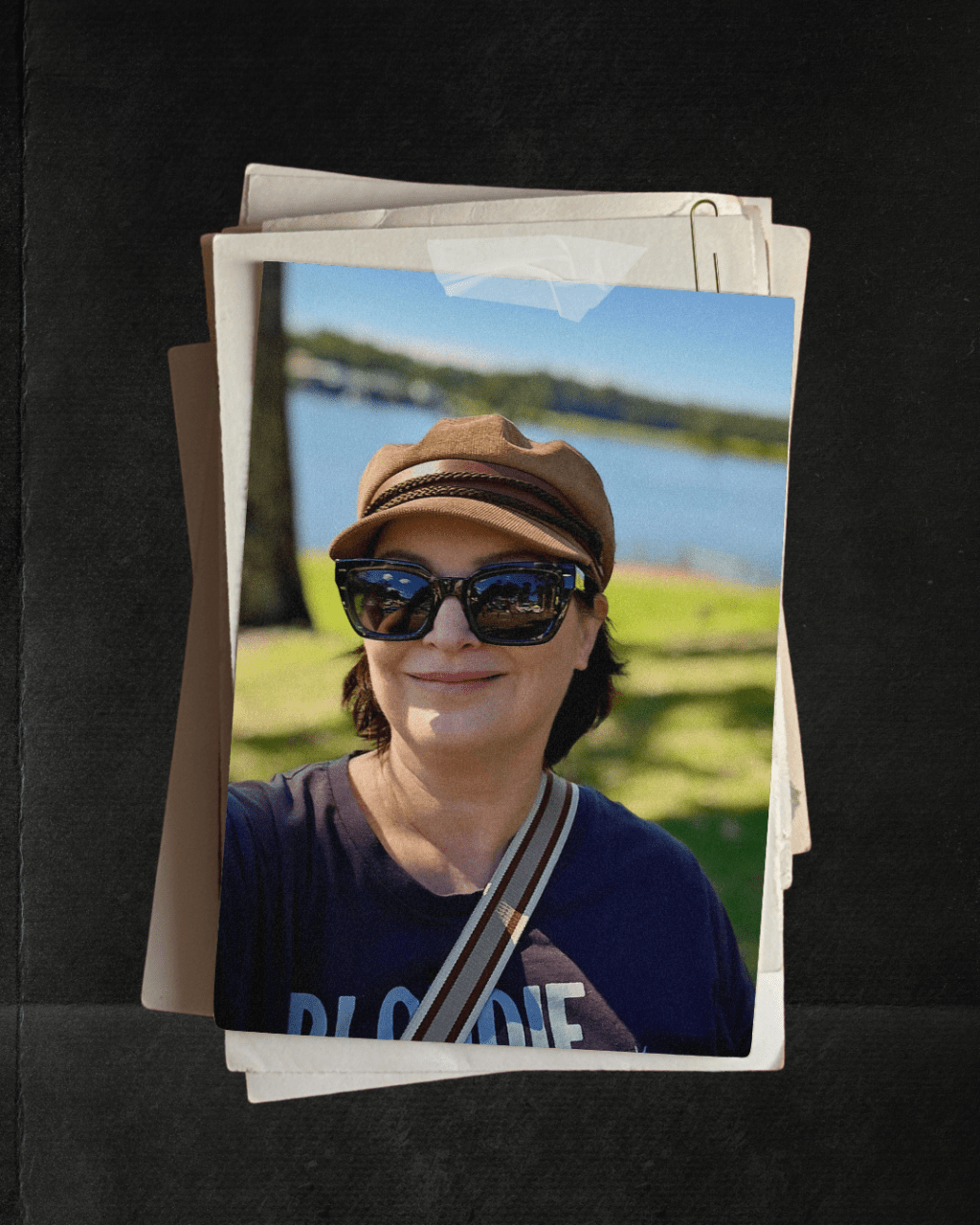
Strangely brutal
The hardest part of cancer treatment can come after it ends. There is something strangely brutal about finishing cancer treatment. For months, your life revolves around appointments, scans, blood tests, infusions, surgery, radiation and medical teams. You are constantly being monitored, and there is always another appointment to get through, another milestone to reach. Then…
-

Compound effect
The compound effect of small steps When we think about personal growth, we often imagine that progress needs to be significant. We believe we need to make big changes, push ourselves harder or completely transform our lives before we can say we are moving forward. But I’m learning that some of the most meaningful changes…
-
The time is now
There is no such thing as the “right time.” When you’re healing from cancer, it can be tempting to wait until you feel stronger, or until you have more energy. Waiting until the fear settles, or until life feels a little more normal. But sometimes, there is no perfect moment. The time to begin is…
-
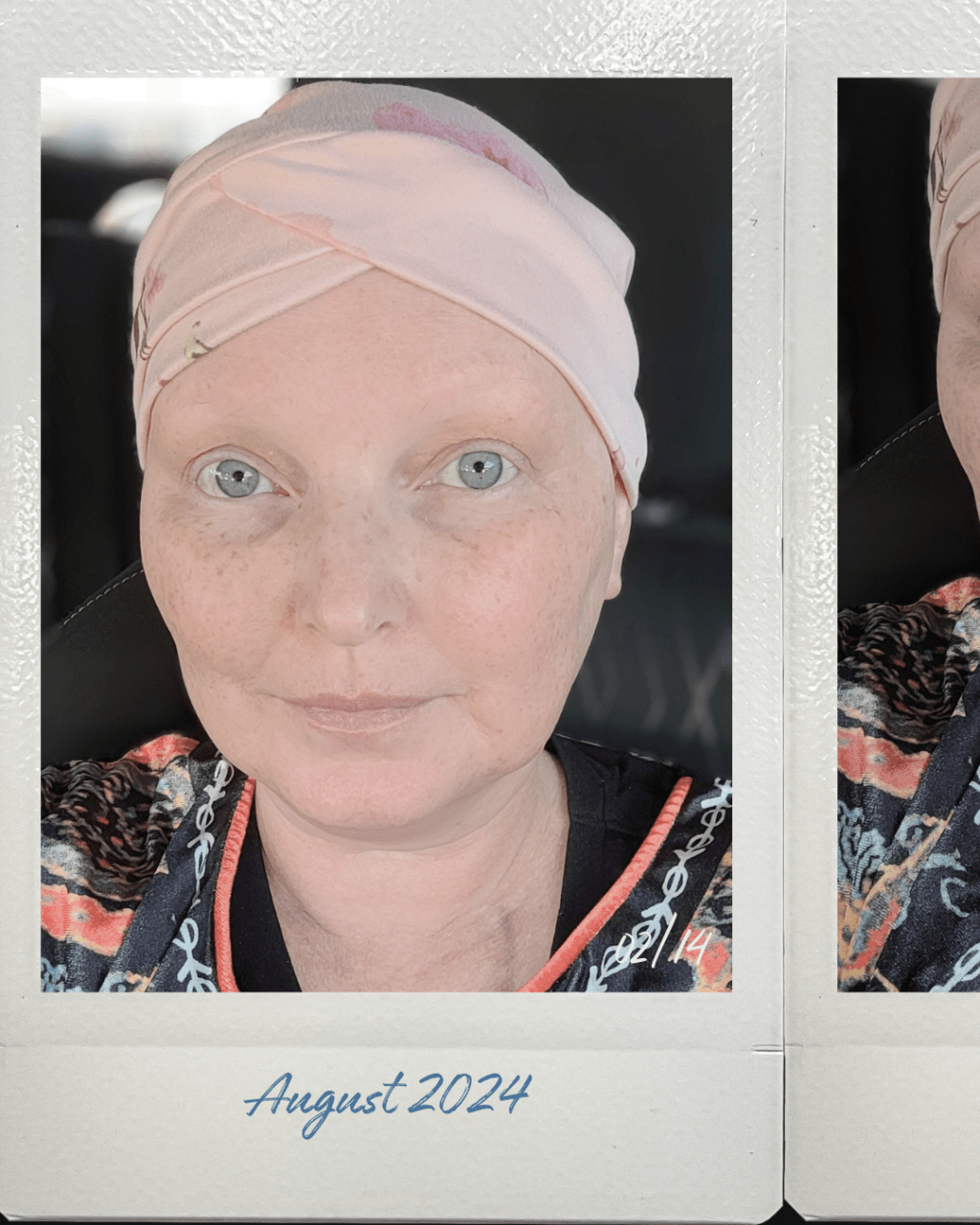
Anniversary reaction
Have you ever noticed your body starts remembering before your mind does? You feel unsettled, your chest feels heavy, sleep becomes harder, and you find yourself more emotional than usual, without knowing why. It’s more than anxiety – it’s something researchers call an “anniversary reaction.” Trauma researchers have found that around the anniversary of a…
-
Remember the why
Sometimes I feel discouraged. Building Second Life Counselling takes time, and there are moments when I question whether I’m making progress or whether all the effort will be worth it. Then I remember why I’m doing this. Every day in Australia, 56 people are diagnosed with breast cancer. Behind every number is a person whose…
-
Scanxiety
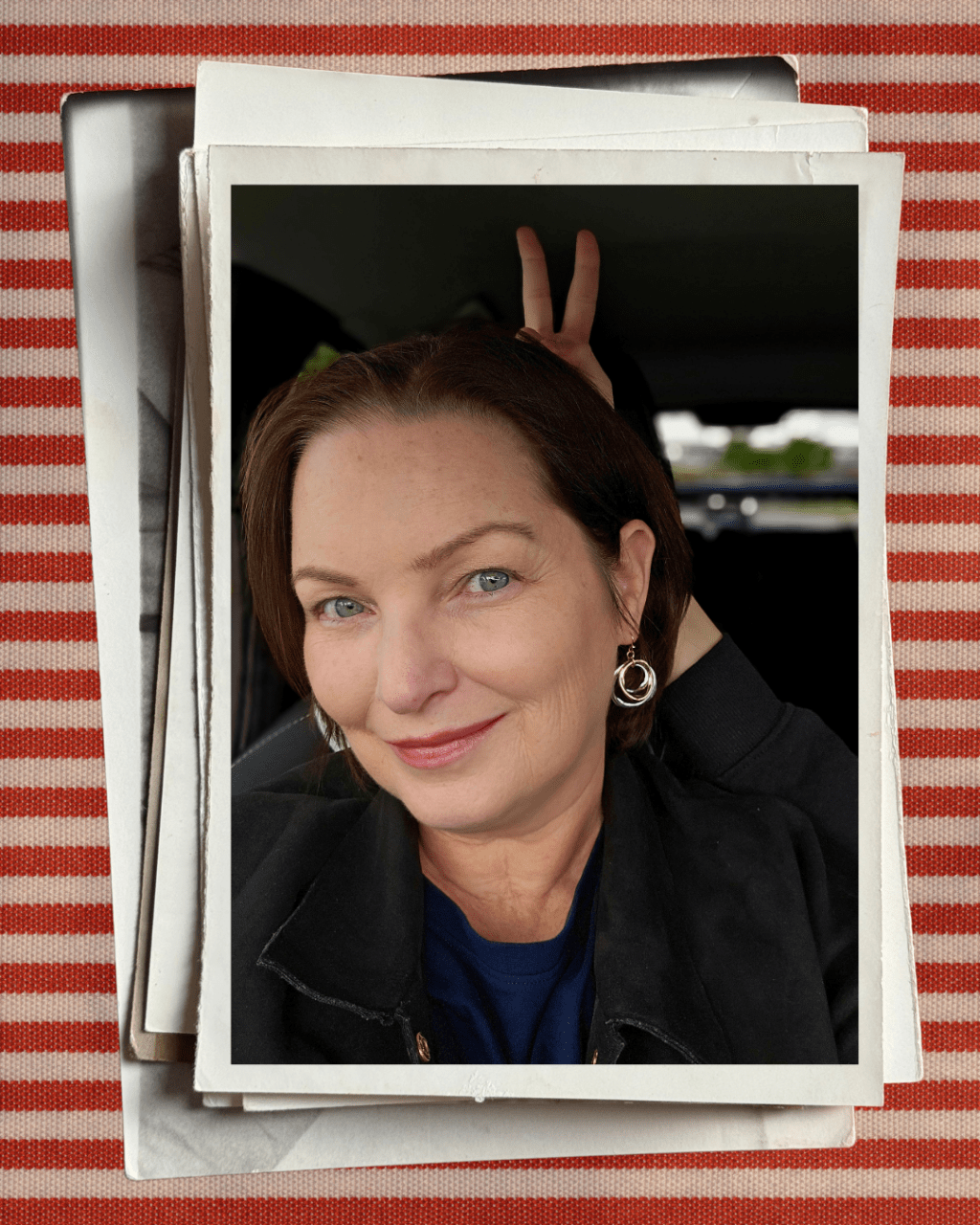
Scanxiety: When the Body Remembers This week I attended my six-month follow-up appointment at the hospital. The appointment itself lasted only a short time, but the days leading up to it felt much longer. If you’ve experienced cancer, you may know exactly what I’m talking about. There is even a name for it: scanxiety. Scanxiety…
-
Lessons learned
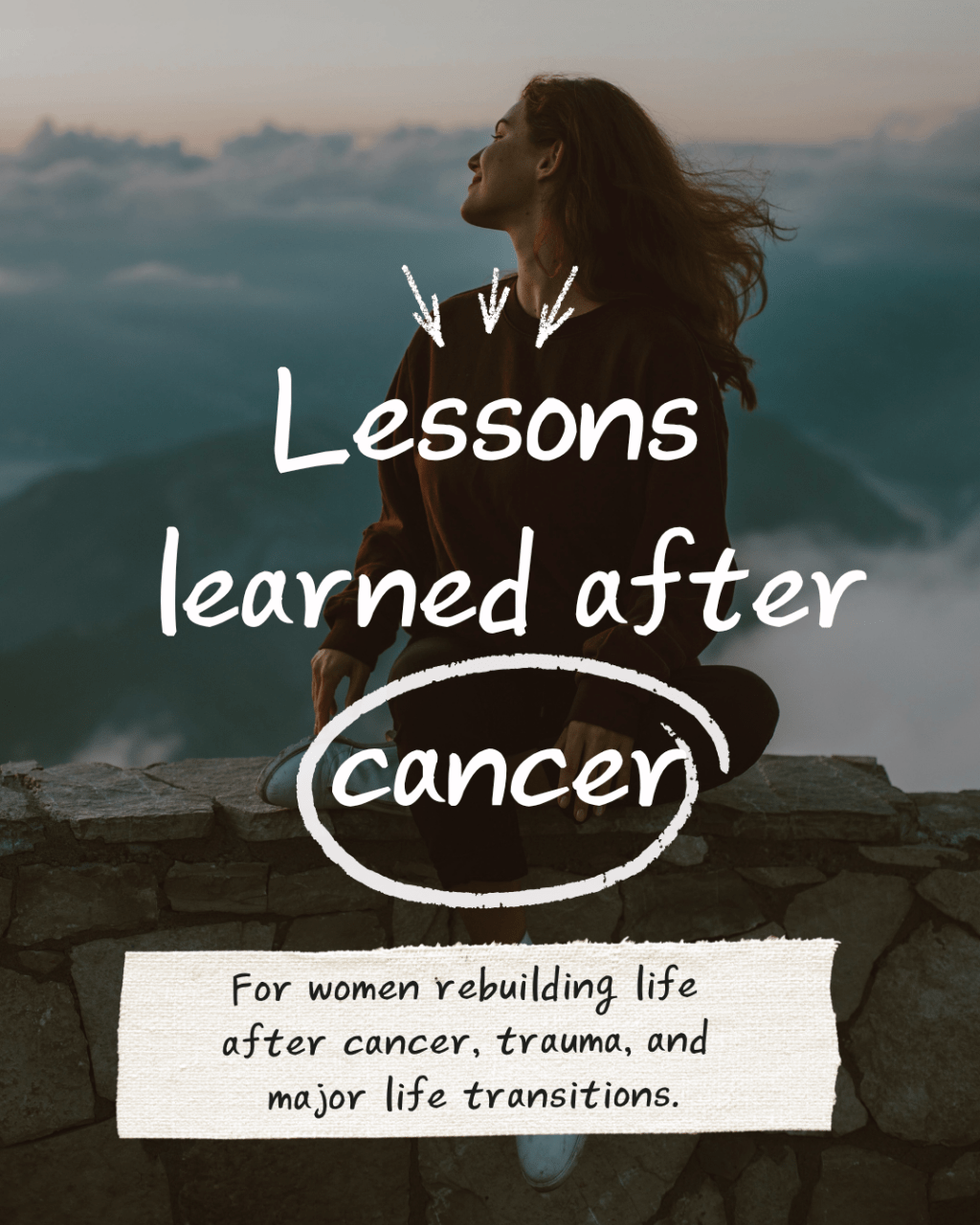
Cancer changed me in ways I never expected. It taught me that life is too precious to spend waiting for the “perfect” time. That my health deserves to be a priority, not an afterthought. That rest isn’t weakness, and healing can’t be rushed. It showed me that I can’t control everything, but I can choose…
-
You are the expert
You are the expert in your own life. No one knows your story the way you do. You’ve lived through your experiences. You’ve carried the grief, celebrated the wins, made the mistakes, and found the strength to keep going, even on the days you didn’t think you could. As a counsellor, I don’t have all…

