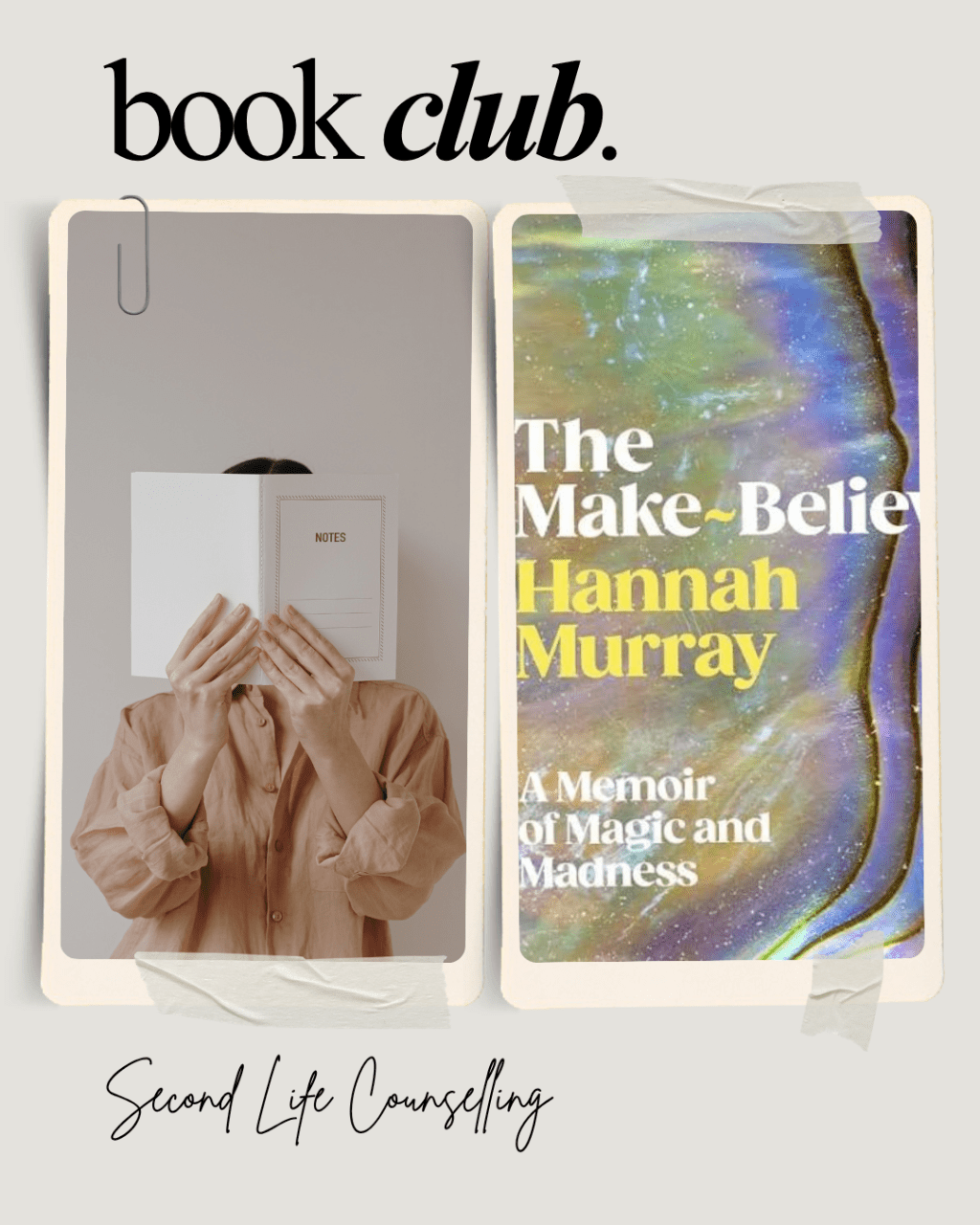
Book Review: The Make-Believe by Hannah Murray
Many people know Hannah Murray as Cassie from Skins or Gilly from Game of Thrones, but this memoir strips away the public persona to reveal something much more courageous – a woman searching for healing, belonging and certainty, only to find herself caught in a dangerous cycle that ultimately led to a psychiatric hospital.
What struck me most wasn’t the story of fame. It was the story of being human. When we’re hurting, grieving, traumatised or simply exhausted by life, we’re vulnerable. We long for answers. We want someone to tell us we’re going to be okay. Sometimes that search leads us to healthy support. Sometimes it leads us somewhere far more complicated.
One of the themes that stayed with me long after finishing The Make-Believe was Hannah Murray’s willingness to question the health and healing industry. Whether it’s recovering from trauma, cancer, anxiety or grief, we’re naturally drawn to people who seem confident they have the answers.
Murray explores this vulnerability with remarkable honesty. She reflects on how easy it is to become captivated by certainty, particularly when life feels confusing or overwhelming. The book isn’t an attack on healing or alternative therapies. Instead, it’s a thoughtful reminder to remain curious, ask questions, and be mindful of anyone claiming to have the one “right” path.
As a counsellor, I think this is an incredibly important conversation. There are many wonderful practitioners working in health and wellbeing, but there are also people who unintentionally – or sometimes deliberately – create dependence by positioning themselves as the only source of healing. Ethical professionals do the opposite.
Good counsellors, psychologists, doctors and allied health professionals don’t tell you what to think or promise miracle cures. They help you understand yourself, develop your own coping skills and gradually trust your own judgement again.
The goal of counselling isn’t to make someone dependent on therapy. It’s to help them become independent.
That’s what resonated so deeply with me throughout Murray’s memoir. Healing isn’t about finding someone with all the answers. It’s about finding safe, qualified professionals who can walk beside you while you discover your own.
As someone who has recovered from breast cancer, I know how vulnerable illness can make us. When you’re frightened, you’ll hear hundreds of opinions about what you should eat, what supplements to take, which mindset to adopt or which treatment you “must” try. It’s overwhelming.
The most valuable lesson I’ve learnt – and one that Murray captures so beautifully – is that hope and critical thinking can exist together. Seek support, don’t be afraid to ask questions, and choose qualified professionals. Always remember that the best practitioners won’t ask you to hand over your power; they’ll help you reclaim it.
Murray’s honesty is extraordinary. She doesn’t write from a place of blame or shame. She writes with remarkable compassion for the version of herself who was simply trying to survive. The book is ultimately about reclaiming yourself.
Healing isn’t about becoming the person you were before trauma. It’s about learning to trust yourself again, reconnecting with reality, and building a life that feels authentic rather than performative.
For anyone navigating anxiety, trauma, identity loss or major life transitions, The Make-Believe offers something deeply comforting: You can lose yourself. And you can find your way back.
⭐️⭐️⭐️⭐️⭐️
Love, Michelle


Leave a Reply