
Long before counselling became a profession, Aboriginal and Torres Strait Islander peoples had developed sophisticated ways of supporting emotional wellbeing, connection, and healing within their communities.
For tens of thousands of years, healing was embedded in everyday life. Stories were shared around campfires. Elders passed down wisdom through generations. People gathered in circles to listen, learn, and support one another. Connection to Country, culture, family, and community was recognised as essential to wellbeing.
Many of the approaches used in modern counselling today – deep listening, storytelling, reflection, belonging, and connection – have existed within Indigenous cultures for millennia.
One particularly powerful concept is **Dadirri**, often described as “deep listening” or “inner, quiet awareness.” Developed by the Ngan’gikurunggurr people of the Daly River region, Dadirri teaches us the importance of slowing down, listening without judgement, and creating space for healing to emerge.
In a world that often encourages us to rush through pain, there is much we can learn from these ancient practices. Healing does not always require fixing, sometimes it begins with simply being heard.
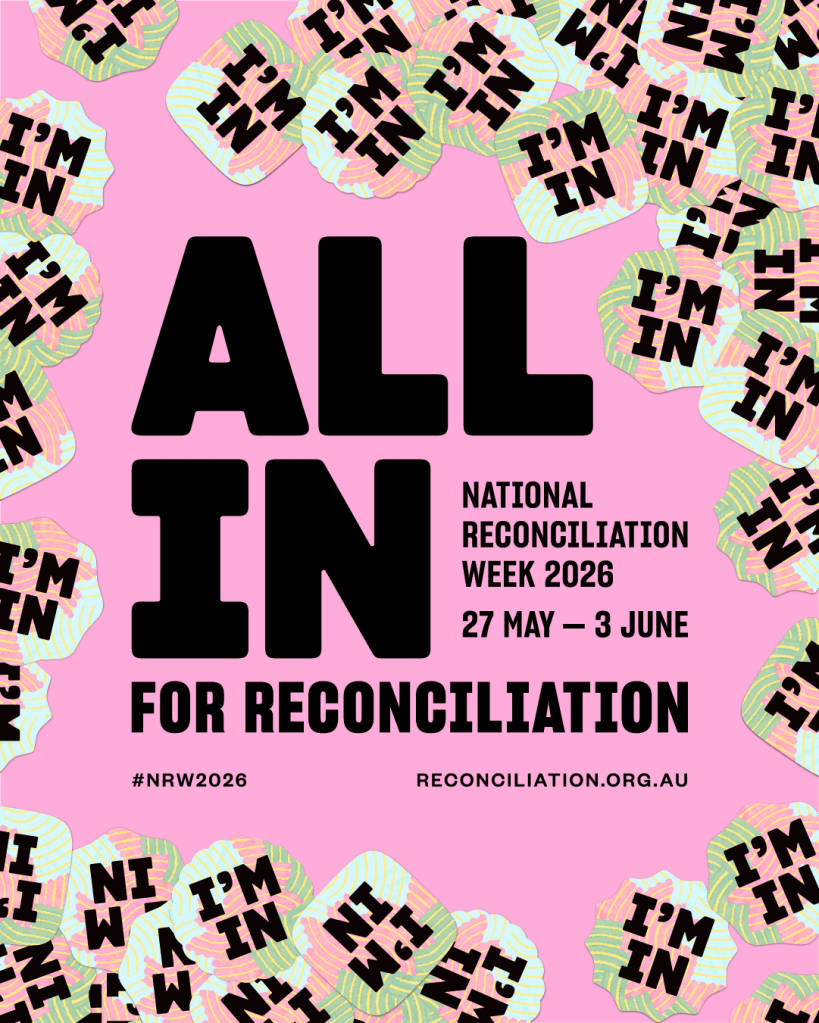
This year’s National Reconciliation Week theme “All In” reminds us that reconciliation is everyone’s responsibility. Being “all in” means listening to Aboriginal and Torres Strait Islander voices, learning from the world’s oldest continuing cultures, and recognising the wisdom they offer all Australians.
As counsellors, coaches, and helping professionals, we can learn from these traditions by creating spaces where people feel seen, heard, connected, and valued.
The official artwork for the 2026 week was created by Gumbaynggirr/Bundjalung artist Otis Hope Carey. Titled “Gaagal” (the Gumbaynggirr word for Ocean), the piece used the ocean as a metaphor to represent people from all walks of life coming together for reconciliation.


Leave a Reply